Safe Housing for Military Veterans: A Supportive Space

Military veterans often face unique challenges when transitioning back to civilian life. One of the most pressing issues is finding safe and supportive housing. This blog post explores the importance of safe housing for veterans, the challenges they face, and the resources available to help them secure a stable living environment.

Understanding the Need for Safe Housing
The Transition from Military to Civilian Life
Transitioning from military to civilian life can be a daunting experience. Veterans may struggle with various issues, including:
Mental Health Challenges: Many veterans experience PTSD, anxiety, and depression, which can complicate their housing situation.
Financial Instability: The shift from military pay to civilian salaries can lead to financial strain, making it difficult to afford housing.
Social Isolation: Veterans may feel disconnected from their communities, leading to feelings of loneliness and isolation.
The Importance of Safe Housing
Safe housing is crucial for veterans for several reasons:
Stability: A stable living environment provides a foundation for veterans to rebuild their lives.
Mental Health: Safe housing can significantly improve mental health outcomes by providing a sense of security and belonging.
Community Support: Living in a supportive community can help veterans connect with others who understand their experiences.
Challenges in Securing Safe Housing
Financial Barriers
Many veterans face financial challenges that make it difficult to secure safe housing. This can include:
High Rent Costs: In many areas, rent prices have skyrocketed, making it hard for veterans on fixed incomes to find affordable options.
Lack of Employment: Some veterans may struggle to find stable employment, further complicating their ability to pay for housing.
Limited Availability of Veteran-Specific Housing
While there are programs designed to help veterans, the availability of veteran-specific housing can be limited. Many veterans may find themselves on long waiting lists for supportive housing programs.
Discrimination and Stigma
Unfortunately, some veterans face discrimination when seeking housing. This can stem from misconceptions about mental health issues or the belief that veterans are less reliable tenants.
Resources for Veterans Seeking Safe Housing
Government Programs
Several government programs are designed to assist veterans in finding safe housing:
U.S. Department of Veterans Affairs (VA): The VA offers various housing assistance programs, including the HUD-VASH program, which combines HUD housing vouchers with VA supportive services.
Veterans Affairs Supportive Housing (VASH): This program provides rental assistance and case management for homeless veterans.
Nonprofit Organizations
Numerous nonprofit organizations focus on helping veterans secure safe housing:
The National Coalition for Homeless Veterans (NCHV): This organization provides resources and support for homeless veterans, including housing assistance.
Homes for Our Troops: This nonprofit builds and donates specially adapted homes for severely injured veterans.
Community Support
Local community organizations often provide resources and support for veterans. This can include:
Veterans Service Organizations (VSOs): Many VSOs offer assistance with housing applications and connecting veterans to local resources.
Support Groups: Connecting with other veterans through support groups can provide emotional support and practical advice for navigating housing challenges.
Creating Supportive Housing Environments
Designing for Comfort and Accessibility
Creating a supportive housing environment for veterans involves more than just providing a roof over their heads. Considerations include:
Accessibility: Homes should be designed to accommodate any physical disabilities veterans may have.
Comfort: A welcoming and comfortable living space can help veterans feel at home.
Community Integration
Encouraging community integration is vital for veterans. This can be achieved through:
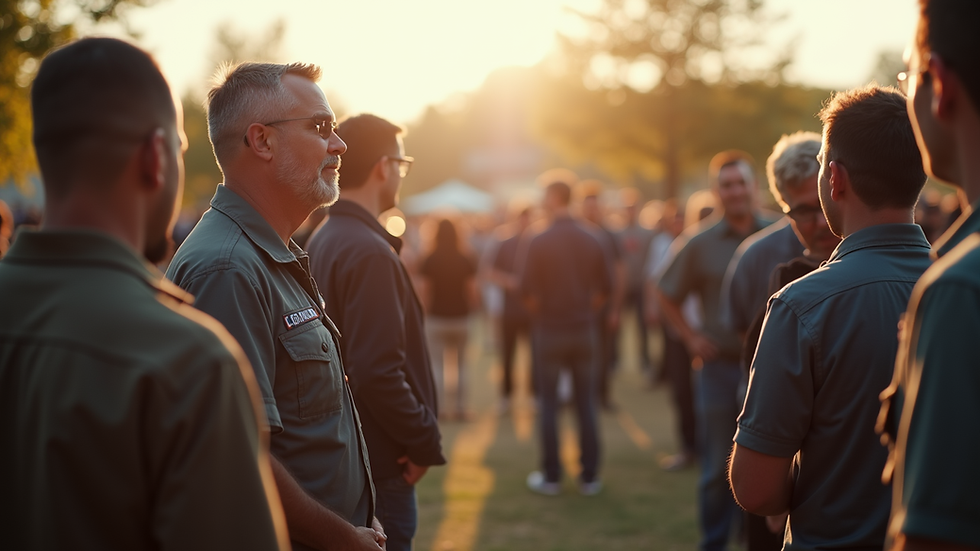
Community Events: Organizing events that bring veterans and civilians together can foster connections and reduce isolation.
Mentorship Programs: Pairing veterans with mentors can provide guidance and support as they navigate civilian life.
Success Stories
Case Study: A Veteran's Journey to Safe Housing
John, a veteran who served in the Army, faced significant challenges when transitioning to civilian life. After struggling with PTSD and financial instability, he found himself homeless. With the help of a local VSO, John was connected to the HUD-VASH program, which provided him with a housing voucher and access to mental health services. Today, John lives in a supportive community where he has made friends and is actively involved in local events.
Community Initiatives
Many communities have implemented initiatives to support veterans in securing safe housing. For example, a city in California launched a program that partners with local landlords to provide affordable housing options for veterans. This initiative has successfully housed dozens of veterans and has fostered a sense of community.
Conclusion
Safe housing is a critical component of a successful transition for military veterans. By understanding the challenges they face and leveraging available resources, we can create supportive environments that help veterans thrive. Whether through government programs, nonprofit organizations, or community initiatives, there are numerous ways to support veterans in securing safe housing.
As a community, we must continue to advocate for the needs of our veterans and ensure they have access to the resources necessary for a stable and fulfilling life. If you or someone you know is a veteran in need of housing assistance, reach out to local organizations or the VA for support. Together, we can make a difference in the lives of those who have served our country.


Comments