Never Again: Creating Community for Returning Veterans
- John Nunez

- 4 days ago
- 4 min read
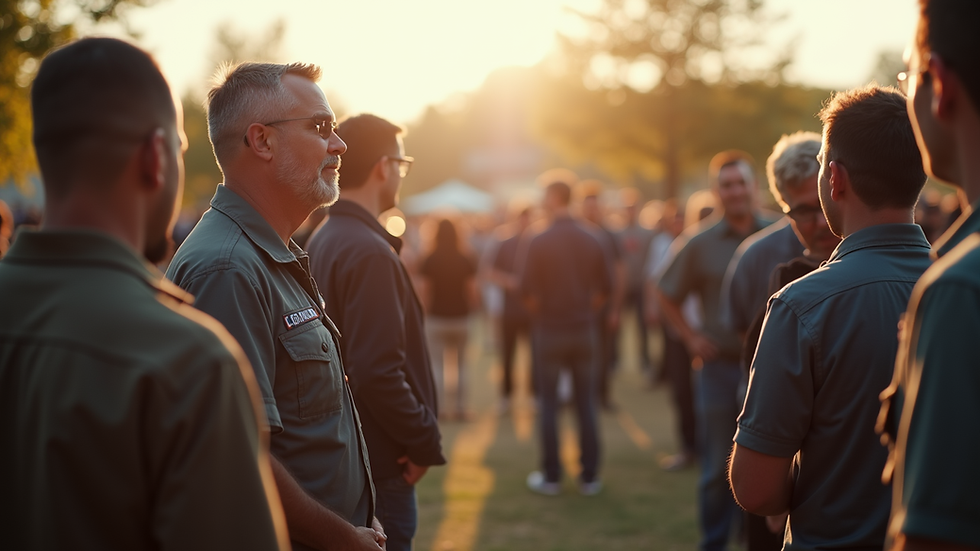
Returning veterans often face unique challenges as they reintegrate into civilian life. The transition can be overwhelming, filled with emotional and psychological hurdles that many may not fully understand. Creating a supportive community is essential for these individuals, allowing them to share experiences, find camaraderie, and receive the help they need. In this blog post, we will explore the importance of community for returning veterans, practical steps to build such communities, and real-life examples of successful initiatives.
Understanding the Challenges Faced by Returning Veterans
Veterans returning from service often encounter a range of challenges, including:
Mental Health Issues: Many veterans experience PTSD, anxiety, and depression due to their service experiences. The stigma surrounding mental health can make it difficult for them to seek help.
Social Isolation: After spending time in a structured military environment, veterans may feel disconnected from civilian life and struggle to form new relationships.
Employment Difficulties: Transitioning to the civilian workforce can be challenging. Veterans may find it hard to translate their military skills into civilian job qualifications.
Family Dynamics: Reintegrating into family life can be difficult, as veterans may have changed during their service, leading to misunderstandings and strained relationships.
Recognizing these challenges is the first step in creating a supportive community that addresses the needs of returning veterans.
The Importance of Community for Veterans
Community plays a vital role in the reintegration process for veterans. Here are some key reasons why building a strong community is essential:
Emotional Support
Having a network of individuals who understand the unique experiences of veterans can provide emotional support. Sharing stories and feelings with others who have faced similar challenges can foster healing and resilience.
Shared Experiences
Veterans often feel isolated in their experiences. A community allows them to connect with others who have faced similar situations, creating a sense of belonging and understanding.
Resource Sharing
Communities can serve as hubs for information and resources. Veterans can share job opportunities, mental health resources, and other valuable information that can aid in their transition.
Advocacy and Awareness
A strong community can advocate for veterans' rights and raise awareness about the challenges they face. This can lead to increased support from local governments and organizations.
Steps to Create a Supportive Community
Building a community for returning veterans requires intentional effort and collaboration. Here are some practical steps to consider:
1. Identify Local Resources
Start by identifying local organizations that support veterans. This could include veteran service organizations, mental health clinics, and community centers. Collaborating with these organizations can provide a solid foundation for your community.
2. Organize Regular Meetings
Establish regular meetings where veterans can come together to share their experiences and support one another. This could be in the form of support groups, social gatherings, or workshops focused on specific topics like job searching or mental health.
3. Create Online Platforms
In addition to in-person meetings, consider creating online platforms where veterans can connect. This could be a dedicated forum, social media group, or website where resources and information can be shared.
4. Host Events
Organize events that bring veterans together in a relaxed and supportive environment. This could include barbecues, game nights, or community service projects. Events can help foster relationships and build a sense of community.
5. Encourage Peer Mentorship
Establish a peer mentorship program where veterans can connect with one another for guidance and support. Pairing veterans with different experiences can create valuable learning opportunities and foster deeper connections.
Real-Life Examples of Successful Veteran Communities
The Mission Continues
The Mission Continues is a nonprofit organization that empowers veterans to continue their service in their communities. Through service projects, veterans can connect with one another while making a positive impact. This organization has successfully created a network of veterans who support each other and engage in meaningful work.
Team Rubicon
Team Rubicon is another example of a successful community for veterans. This organization mobilizes veterans to respond to disasters and humanitarian crises. By working together in high-stress situations, veterans build strong bonds and find purpose in their service.
Local Veteran Support Groups
Many communities have local veteran support groups that provide a space for veterans to share their experiences and access resources. These groups often host events, workshops, and social gatherings, creating a supportive environment for veterans and their families.
The Role of Family and Friends
While building a community for veterans is crucial, family and friends also play an essential role in the reintegration process. Here are some ways they can support veterans:
Open Communication
Encourage open communication between veterans and their loved ones. Creating a safe space for veterans to share their feelings and experiences can strengthen relationships and foster understanding.
Educate Yourself
Family and friends should educate themselves about the challenges veterans face. Understanding issues like PTSD and the effects of military service can help loved ones provide better support.
Encourage Participation in Community Activities
Support veterans in participating in community activities and events. Encouragement can help them step out of their comfort zones and engage with others.
Conclusion
Creating a supportive community for returning veterans is essential for their successful reintegration into civilian life. By understanding their challenges, fostering emotional support, and providing resources, we can help veterans navigate this transition. Whether through local organizations, peer mentorship, or family support, every effort counts.
As we work together to build these communities, we can ensure that no veteran feels alone in their journey. Let’s take action today to create a welcoming environment for those who have served our country.


Comments